What is Speech-to-Text AI?

Eric King
Author
Introduction
Speech-to-Text AI, also known as Automatic Speech Recognition (ASR), is a technology that converts spoken language into written text automatically using artificial intelligence. It is widely used in transcription services, virtual assistants, accessibility solutions, and content creation. With AI models like OpenAI Whisper, Google Speech-to-Text, and other modern tools, transcription has become faster and more accurate than ever.
Speech-to-Text AI, also known as Automatic Speech Recognition (ASR), is a technology that converts spoken language into written text automatically using artificial intelligence. It is widely used in transcription services, virtual assistants, accessibility solutions, and content creation. With AI models like OpenAI Whisper, Google Speech-to-Text, and other modern tools, transcription has become faster and more accurate than ever.
How Speech-to-Text AI Works
Speech-to-Text AI works in several steps:
1. Audio Input
The system receives audio input from a microphone, recorded file, or live stream. High-quality audio improves accuracy, while noisy recordings may reduce transcription quality.
2. Feature Extraction
The audio signal is converted into numerical features, such as spectrograms or Mel-frequency cepstral coefficients (MFCCs), which help the AI identify speech patterns.
3. Acoustic Model
The acoustic model recognizes phonemes, the smallest units of sound in speech. This step allows the AI to identify words even with variations in pronunciation.
4. Language Model
The language model predicts likely word sequences based on grammar, vocabulary, and context. It improves readability and reduces errors.
5. Decoding
Finally, the AI outputs the recognized text, often adding punctuation, capitalization, and timestamps for better usability.
Applications of Speech-to-Text AI
- Transcription Services: Convert interviews, podcasts, meetings, or lectures into text.
- Voice Assistants: Powers tools like Siri, Alexa, and Google Assistant.
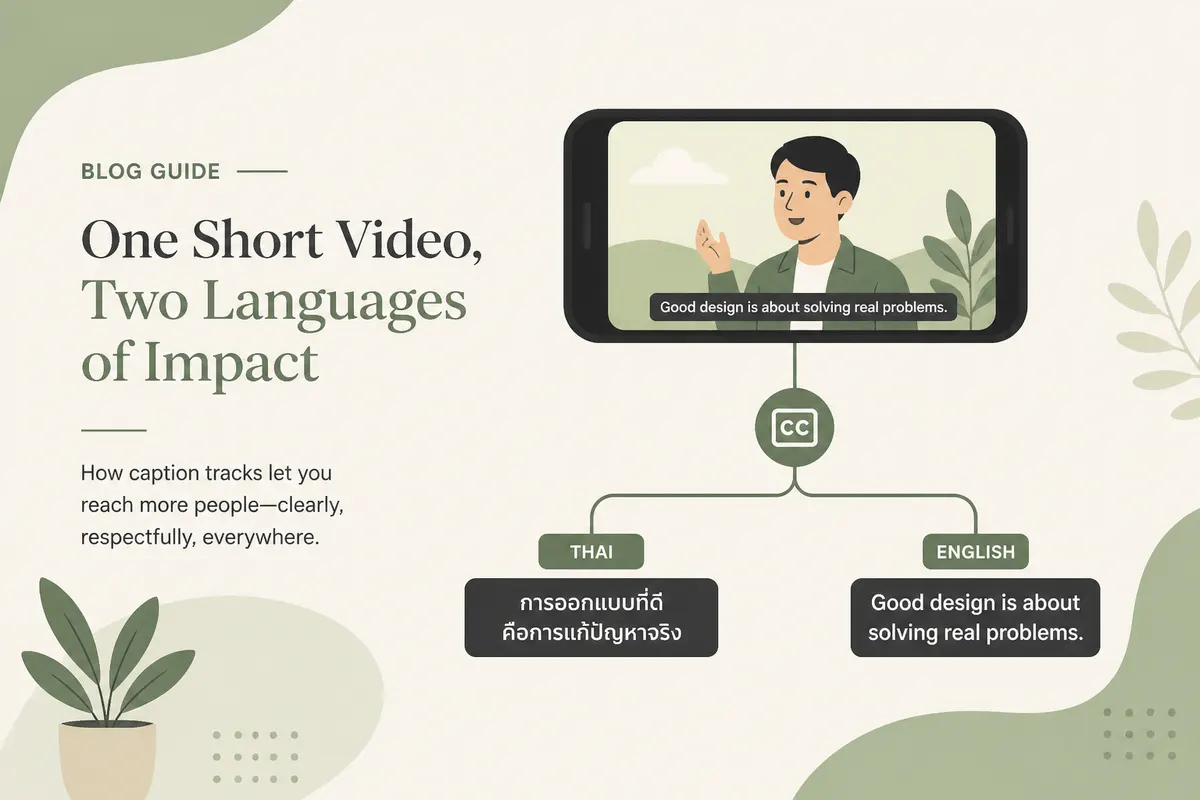
- Accessibility: Provides captions for deaf or hard-of-hearing users.
- Real-Time Translation: Enables live translation of speech into multiple languages.
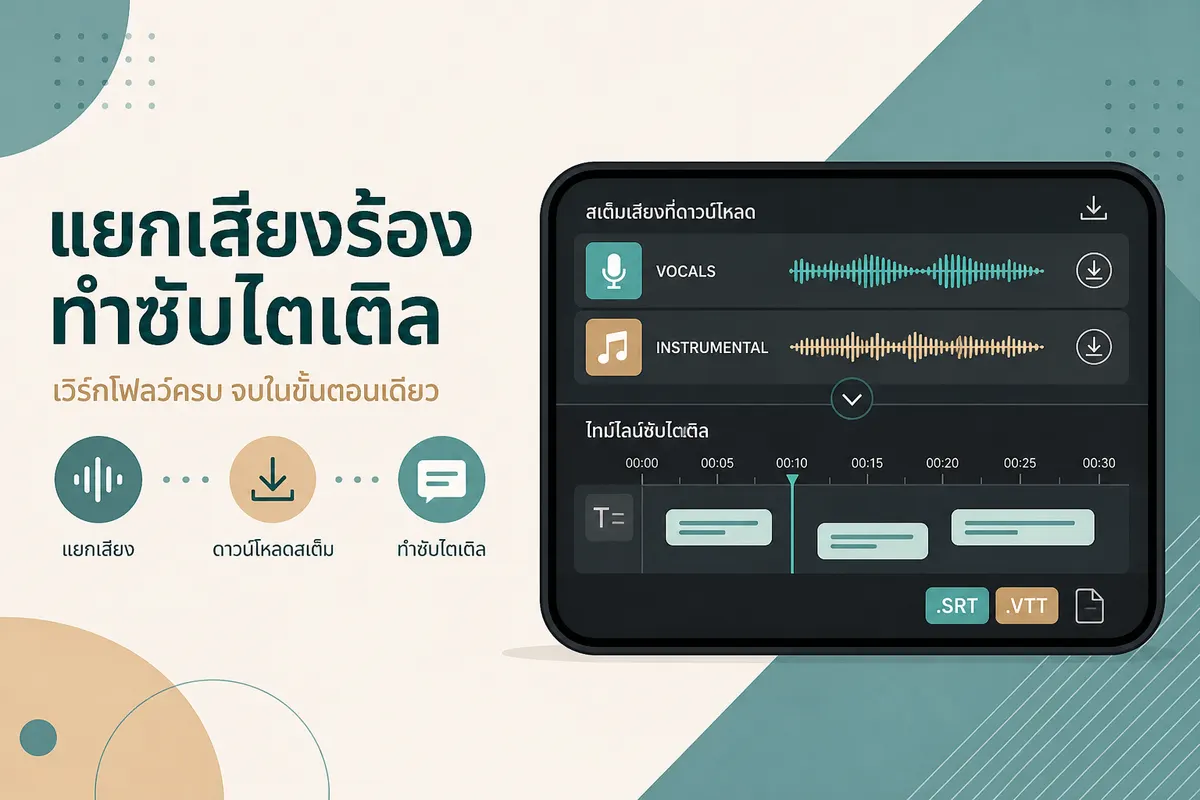
- Content Creation: Dictate articles, scripts, or subtitles efficiently.
Benefits of Speech-to-Text AI
- Time-Saving: Transcribes hours of audio in minutes.
- Accuracy: Modern AI models can achieve near-human transcription accuracy.
- Multilingual Support: Supports dozens of languages and dialects.
- Integration-Friendly: Can be used in apps, websites, SaaS products, and workflow automation.
Challenges
- Background Noise: Noisy environments can reduce accuracy.
- Accents and Dialects: Uncommon accents may cause recognition errors.
- Technical Jargon: Industry-specific terms may need custom vocabulary.
External Resources
- Google Cloud Speech-to-Text Documentation — comprehensive cloud‑based API for speech recognition, supports streaming input, multiple languages, and long audio files.
- OpenAI Whisper API & Model — open‑source (or API) speech‑to‑text model supporting 100+ languages, with high accuracy and noise robustness.
FAQ
Q1: Is Speech-to-Text AI 100% accurate?
No, accuracy depends on audio quality, speaker accents, and the model used. Modern AI achieves high accuracy but occasional errors are expected.
Q2: Can I use Speech-to-Text AI for free?
Yes, tools like OpenAI Whisper, Google Speech-to-Text free tier, and other online services are available. Paid versions usually provide faster processing and additional features.
Q3: Can it work in real-time?
Yes, real-time transcription is possible for live meetings, webinars, or streaming applications. Many AI models provide streaming APIs for developers.
Conclusion
Speech-to-Text AI is transforming how we interact with spoken language. By automating transcription, providing accessibility, and supporting multilingual applications, it improves productivity and communication. For businesses, content creators, and learners, leveraging this technology can save time and enhance workflow efficiency.
Speech-to-Text AI is transforming how we interact with spoken language. By automating transcription, providing accessibility, and supporting multilingual applications, it improves productivity and communication. For businesses, content creators, and learners, leveraging this technology can save time and enhance workflow efficiency.