GDPR-Compliant Transcription Tool: What It Is and Why US Businesses Need One

Eric King
Author
Introduction
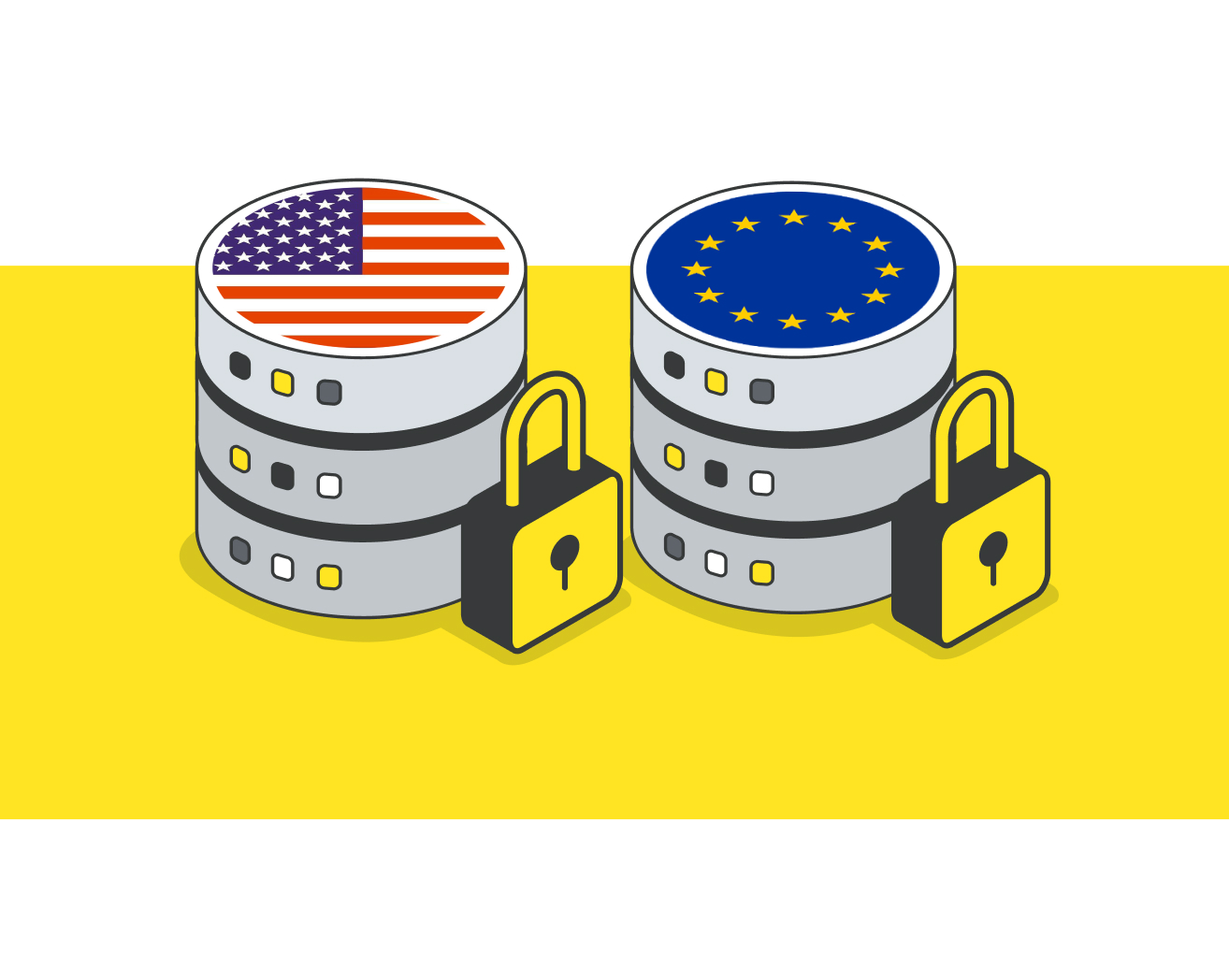
Audio transcription tools are widely used across the United States for content creation, business meetings, research, legal documentation, and media production. However, when audio files involve users or customers from the European Union, data privacy regulations such as the General Data Protection Regulation (GDPR) apply — even to US-based companies.
That's why choosing a GDPR-compliant transcription tool is essential for American businesses working with global audiences. This comprehensive guide explains what a GDPR-compliant transcription tool is, why GDPR matters for US companies, how GDPR compliance works, and how to choose the right audio-to-text solution without risking compliance issues.
Quick Summary:
- GDPR applies to US companies when processing EU residents' data
- Penalties can be severe: Up to €20 million or 4% of annual global revenue
- Key requirements: Purpose limitation, encryption, user rights, data retention controls
- Regular transcription tools may not be GDPR compliant and pose legal risks
- Choose carefully: Verify data processing agreements, encryption, and user rights support
What Is a GDPR-Compliant Transcription Tool?
A GDPR-compliant transcription tool is an audio-to-text service that processes voice recordings in accordance with the requirements of the EU General Data Protection Regulation (GDPR). GDPR is a comprehensive data protection law that came into effect in May 2018, designed to protect the privacy and personal data of EU residents.
When Does GDPR Apply to US Companies?
Even if your company is based in the United States, GDPR applies when:
- ✅ You process audio data from EU residents: Any audio files containing EU citizens' voices
- ✅ Your users or customers are located in the EU: EU-based users accessing your services
- ✅ Your transcription service is accessible to EU audiences: Services available to EU users
- ✅ You offer goods or services to EU residents: Marketing or services targeting EU market
- ✅ You monitor behavior of EU residents: Tracking or analyzing EU user behavior
Important: GDPR has extraterritorial reach, meaning US companies must comply when processing EU residents' data, regardless of where the company is located.
Why Voice Recordings Are Personal Data
Because voice recordings and transcription text are considered personal data under GDPR, transcription software must follow strict rules related to data processing, storage, and user rights. Voice recordings can reveal:
- Biometric data: Voice characteristics and patterns
- Personal information: Names, locations, and other identifiers mentioned in audio
- Behavioral data: Speaking patterns, topics discussed, and communication style
- Sensitive information: Health, financial, or other sensitive topics discussed
Key Characteristics of GDPR-Compliant Transcription Tools
A GDPR-compliant transcription tool typically:
- ✅ Processes audio only for transcription purposes: No secondary use without consent
- ✅ Acts as a data processor: Clear role definition and responsibilities
- ✅ Uses strong encryption and security controls: Data protection by design and default
- ✅ Does not use audio or transcripts for AI model training by default: Opt-in required
- ✅ Allows users to access, export, and delete their data: Full user rights support
- ✅ Provides clear privacy policies and data processing agreements: Transparency
- ✅ Implements data minimization: Only processes necessary data
- ✅ Supports data retention controls: Users control how long data is stored
Why GDPR Compliance Matters for US Transcription Users
Many US businesses assume GDPR only applies to European companies. In reality, GDPR has extraterritorial reach, meaning US-based transcription tools and users can still fall under GDPR requirements, regardless of where the company is physically located.
Legal and Financial Risk
Failure to use a GDPR-compliant transcription tool can result in severe penalties:
- Maximum penalties: Up to €20 million or 4% of annual global revenue, whichever is higher
- Tiered penalty structure: Fines vary based on violation severity
- Reputational damage: Public disclosure of violations can harm business relationships
- Legal liability: Lawsuits from affected individuals or organizations
- Operational disruption: Remediation efforts and compliance audits
Real-world impact: For US SaaS companies, GDPR violations can affect:
- International operations and expansion
- Partnerships with EU-based companies
- Long-term growth and market access
- Investor confidence and valuation
Enterprise and B2B Requirements
US companies working with:
- ✅ European customers: EU-based clients require GDPR compliance
- ✅ International enterprises: Global companies expect compliance
- ✅ Legal, healthcare, or research organizations: Regulated industries require compliance
- ✅ Government contracts: EU government contracts require GDPR compliance
- ✅ Educational institutions: EU universities and schools require compliance
Contract requirements: Many EU-based organizations are required to demonstrate that their vendors use GDPR-compliant transcription software before contracts are signed. Non-compliance can result in lost business opportunities.
Trust and Brand Reputation
Privacy-aware users expect transparency and data protection:
- ✅ User trust: GDPR compliance demonstrates commitment to privacy
- ✅ Brand reputation: Privacy-first approach enhances brand value
- ✅ Competitive advantage: Compliance can be a differentiator
- ✅ Market access: Required for serving EU markets
- ✅ Customer expectations: Modern users expect privacy protection
Choosing a GDPR-compliant speech-to-text tool signals that your business takes data protection seriously and respects user privacy, which can enhance customer relationships and brand reputation.
Regulatory Compliance
- ✅ Avoid regulatory investigations: Proactive compliance reduces risk
- ✅ Meet industry standards: Many industries require GDPR compliance
- ✅ Future-proof your business: Privacy regulations are expanding globally
- ✅ International expansion: Compliance enables global market access
What Makes a Transcription Tool GDPR Compliant?
Not all audio-to-text tools meet GDPR standards. When evaluating a GDPR-compliant transcription tool, look for the following features and requirements.
1. Purpose Limitation
GDPR Principle: Data must be collected for specified, explicit, and legitimate purposes.
- ✅ Audio files used only for transcription: No secondary use without consent
- ✅ No analytics or profiling: Unless explicitly authorized by users
- ✅ No AI training by default: User data not used for model training without opt-in
- ✅ Clear purpose statement: Transparent about how data is used
- ✅ Consent management: Users can control how their data is used
What to verify:
- Check privacy policy for data usage statements
- Verify that audio is not used for training without consent
- Ensure no secondary data processing occurs
2. Secure Audio Processing
GDPR Requirement: Data must be processed securely using appropriate technical and organizational measures.
A compliant transcription service should include:
- ✅ HTTPS and encrypted file uploads: TLS 1.2+ encryption in transit
- ✅ Encryption at rest: Data encrypted when stored (AES-256 or equivalent)
- ✅ Restricted internal access: Role-based access controls
- ✅ Secure processing infrastructure: Servers meet security standards
- ✅ Regular security audits: Third-party security assessments
- ✅ Incident response procedures: Defined processes for security incidents
What to verify:
- Ask about encryption standards
- Check for security certifications (SOC 2, ISO 27001, etc.)
- Verify access controls and audit logs
3. User Data Rights (GDPR Chapter 3)
GDPR Requirement: Data subjects have specific rights regarding their personal data.
GDPR requires transcription tools to support:
- ✅ Right of access (Article 15): Users can view their data and processing information
- ✅ Right to rectification (Article 16): Users can correct inaccurate data
- ✅ Right to erasure (Article 17): Users can delete audio and transcripts ("right to be forgotten")
- ✅ Right to restrict processing (Article 18): Users can limit how data is processed
- ✅ Data portability (Article 20): Users can export their data in machine-readable format
- ✅ Right to object (Article 21): Users can object to certain types of processing
- ✅ Automated decision-making (Article 22): Users have rights regarding automated processing
What to verify:
- Can users access their data easily?
- Can users delete data without contacting support?
- Can users export their data?
- Are user rights clearly documented?
4. Data Retention Controls
GDPR Principle: Data should not be kept longer than necessary.
A GDPR-compliant audio transcription tool should:
- ✅ Automatic deletion options: Audio deleted after processing if desired
- ✅ Clear retention policies: Transparent about how long data is retained
- ✅ User-controlled deletion: Users can manually delete files at any time
- ✅ Retention period limits: Maximum retention periods defined
- ✅ Data minimization: Only necessary data is retained
What to verify:
- What is the default retention period?
- Can users set custom retention periods?
- Is automatic deletion available?
- Can users delete data immediately?
5. Lawful Basis for Processing
GDPR Requirement: Processing must have a lawful basis (Article 6).
Common lawful bases for transcription:
- ✅ Consent: User explicitly consents to processing
- ✅ Contract: Processing necessary for service delivery
- ✅ Legitimate interests: Processing for legitimate business purposes (with safeguards)
What to verify:
- What is the lawful basis for processing?
- Is consent obtained when required?
- Are legitimate interests balanced with user rights?
6. Data Processing Agreement (DPA)
GDPR Requirement: When using third-party processors, a DPA is required (Article 28).
A GDPR-compliant tool should:
- ✅ Offer a Data Processing Agreement: Legal contract defining processing terms
- ✅ Define roles and responsibilities: Clear data controller/processor roles
- ✅ Specify security measures: Technical and organizational measures
- ✅ Include sub-processor information: Disclosure of third-party processors
- ✅ Define data breach procedures: How breaches are handled
What to verify:
- Does the provider offer a DPA?
- Is the DPA comprehensive and clear?
- Are sub-processors disclosed?
- Are security measures specified?
How US Businesses Can Choose a GDPR-Compliant Transcription Tool
When selecting transcription software, US businesses should ask the following questions and verify compliance features. Use this checklist to evaluate potential solutions.
Essential Questions to Ask:
-
Is the transcription tool GDPR compliant by default?
- ✅ Look for explicit GDPR compliance statements
- ✅ Check for compliance certifications or audits
- ✅ Verify that compliance is built-in, not optional
-
Does the provider clearly explain how audio data is processed?
- ✅ Transparent privacy policy
- ✅ Clear data processing documentation
- ✅ Detailed information about data usage
-
Can users delete their data without contacting support?
- ✅ Self-service deletion options
- ✅ Immediate deletion capability
- ✅ No manual intervention required
-
Is user data excluded from AI model training?
- ✅ Explicit statement about data usage
- ✅ Opt-in required for training use
- ✅ No default training on user data
-
Does the provider offer a clear privacy policy or Data Processing Agreement (DPA)?
- ✅ Comprehensive privacy policy
- ✅ DPA available for business users
- ✅ Clear terms and conditions
Additional Evaluation Criteria:
-
What encryption standards are used?
- ✅ Encryption in transit (TLS 1.2+)
- ✅ Encryption at rest (AES-256 or equivalent)
- ✅ Secure key management
-
What user rights are supported?
- ✅ Right to access
- ✅ Right to deletion
- ✅ Right to data portability
- ✅ Right to rectification
-
What are the data retention policies?
- ✅ Clear retention periods
- ✅ User-controlled retention
- ✅ Automatic deletion options
-
What security certifications does the provider have?
- ✅ SOC 2, ISO 27001, or similar
- ✅ Regular security audits
- ✅ Third-party certifications
-
How are data breaches handled?
- ✅ Incident response procedures
- ✅ Breach notification processes
- ✅ User notification procedures
Evaluation Checklist:
| Requirement | Status | Notes |
|---|---|---|
| GDPR Compliance Statement | ⬜ | Explicit compliance claim |
| Data Processing Agreement | ⬜ | DPA available |
| Encryption (Transit) | ⬜ | TLS 1.2+ required |
| Encryption (At Rest) | ⬜ | AES-256 or equivalent |
| User Data Deletion | ⬜ | Self-service available |
| Data Portability | ⬜ | Export functionality |
| No Training by Default | ⬜ | Opt-in required |
| Privacy Policy | ⬜ | Comprehensive and clear |
| Security Certifications | ⬜ | SOC 2, ISO 27001, etc. |
| Data Retention Controls | ⬜ | User-controlled |
Red Flags to Watch For:
- ❌ Vague or missing privacy policies
- ❌ No DPA available
- ❌ Data used for training without consent
- ❌ No self-service deletion
- ❌ Poor encryption standards
- ❌ No security certifications
- ❌ Unclear data retention policies
If these questions cannot be answered clearly, the transcription tool may not be suitable for GDPR-sensitive use cases. Always verify compliance claims and request documentation before committing to a service.
GDPR-Compliant Transcription Tool for US Users: SayToWords
SayToWords is a privacy-first transcription platform built for global users, including US businesses working with EU audiences. SayToWords is designed to align with GDPR requirements and help US companies serve international markets while maintaining compliance.
SayToWords GDPR Compliance Features:
SayToWords is designed to align with the expectations of a GDPR-compliant transcription tool, offering:
- ✅ Audio files processed solely for transcription: No secondary use without consent
- ✅ No use of user data for AI model training: User data excluded from training by default
- ✅ Encrypted uploads and secure storage: TLS encryption in transit, encryption at rest
- ✅ User-controlled deletion: Self-service deletion of audio files and transcripts
- ✅ Minimal data retention by default: Users control retention periods
- ✅ Full user rights support: Access, deletion, and data portability
- ✅ Transparent privacy policy: Clear documentation of data processing
- ✅ Data Processing Agreement available: DPA for business users
Who Can Benefit:
Whether you're a US-based:
- ✅ Content creator: Working with EU audiences or collaborators
- ✅ Startup: Expanding to EU markets or serving EU customers
- ✅ Enterprise team: Working with international clients
- ✅ Legal or healthcare organization: Requiring compliance for regulated industries
- ✅ Research institution: Collaborating with EU partners
- ✅ Media production company: Creating content for global audiences
SayToWords helps you convert audio to text securely, transparently, and responsibly, while supporting GDPR compliance for international use cases.
FAQ
Q1: Does GDPR apply to US companies?
Yes. GDPR applies to US companies when they:
- Process personal data of EU residents
- Offer goods or services to EU residents
- Monitor behavior of EU residents
GDPR has extraterritorial reach, meaning US companies must comply regardless of where they're located.
Q2: What happens if a US company violates GDPR?
GDPR violations can result in:
- Fines: Up to €20 million or 4% of annual global revenue
- Legal liability: Lawsuits from affected individuals
- Reputational damage: Public disclosure of violations
- Operational disruption: Compliance audits and remediation
- Lost business: EU partners may terminate contracts
Q3: Is encryption enough for GDPR compliance?
No. Encryption is required but not sufficient. GDPR compliance also requires:
- Lawful basis for processing
- User rights support (access, deletion, portability)
- Data retention controls
- Data Processing Agreements (when using processors)
- Privacy policies and transparency
- Security measures beyond encryption
Q4: Can I use regular transcription tools for EU users?
Not recommended. Regular transcription tools may not be GDPR compliant and can:
- Violate GDPR requirements
- Expose you to legal and financial risk
- Damage customer relationships
- Result in lost business opportunities
Always verify GDPR compliance before using transcription tools for EU users.
Q5: What is a Data Processing Agreement (DPA)?
A Data Processing Agreement (DPA) is a legal contract required by GDPR (Article 28) when using third-party processors. It defines:
- Roles and responsibilities (data controller vs. processor)
- Security measures
- Data processing purposes
- Sub-processor information
- Data breach procedures
A DPA is mandatory when using transcription services that process EU residents' data.
Q6: Do I need consent for transcription under GDPR?
It depends on the lawful basis. GDPR allows processing based on:
- Consent: User explicitly consents
- Contract: Processing necessary for service delivery
- Legitimate interests: Processing for legitimate business purposes
For transcription services, processing is often based on contract (service delivery) or consent, depending on the use case.
Q7: Can users request deletion of their transcripts?
Yes. Under GDPR Article 17 (Right to Erasure), users have the right to request deletion of their personal data, including:
- Audio files
- Transcripts
- Any associated metadata
A GDPR-compliant tool must support this right and allow users to delete their data.
Q8: How long can I store EU users' audio files?
GDPR requires data minimization: Store data only as long as necessary for the purpose. Best practices:
- Delete audio after transcription if not needed
- Set clear retention periods
- Allow users to control retention
- Automatically delete data after specified periods
The retention period should be defined in your privacy policy and data processing agreement.
Q9: What if my transcription provider is not GDPR compliant?
You're still responsible. As a data controller, you're responsible for ensuring your processors (transcription providers) are GDPR compliant. If your provider violates GDPR:
- You may be held liable
- You must notify affected users
- You may face regulatory action
- You should terminate the relationship and find a compliant provider
Q10: How do I verify a transcription tool is GDPR compliant?
Check for:
- ✅ Explicit GDPR compliance statement
- ✅ Data Processing Agreement (DPA) availability
- ✅ Encryption (in transit and at rest)
- ✅ User rights support (access, deletion, portability)
- ✅ Privacy policy and transparency
- ✅ Security certifications (SOC 2, ISO 27001, etc.)
- ✅ Data retention controls
- ✅ No training on user data without consent
Request documentation and verify claims before committing to a service.
Conclusion
For US businesses working with international users, GDPR compliance is no longer optional — it's essential. The extraterritorial reach of GDPR means US companies must comply when processing EU residents' data, regardless of where the company is located.
Key Takeaways:
- GDPR applies to US companies when processing EU residents' data
- Penalties can be severe: Up to €20 million or 4% of annual revenue
- Compliance is required for EU market access and international partnerships
- User rights must be supported: Access, deletion, and data portability
- Choose compliant tools: Verify GDPR compliance before committing
- Transparency matters: Clear privacy policies and data processing agreements
Choosing a GDPR-compliant transcription tool ensures your audio-to-text workflows remain secure, trustworthy, and legally aligned — without sacrificing usability or performance. It protects your business from legal and financial risk while enabling international growth and customer trust.
Next Steps:
- Evaluate your needs: Determine if you process EU residents' data
- Assess current tools: Verify GDPR compliance of existing tools
- Choose compliant solutions: Select GDPR-compliant transcription tools
- Implement compliance measures: Set up data processing agreements and policies
- Train your team: Ensure staff understand GDPR requirements
- Monitor compliance: Regularly review and update compliance measures
Remember: GDPR compliance is not just a legal requirement — it's a competitive advantage that demonstrates your commitment to privacy and enables international business growth.
Looking for GDPR-compliant transcription?
Ensure your audio transcription meets GDPR requirements with secure, compliant speech-to-text solutions. Protect EU users' privacy while enabling international business growth.
This article provides general information about GDPR compliance. For specific legal advice regarding GDPR requirements, consult with legal counsel or compliance experts familiar with EU data protection regulations.